Sipadan
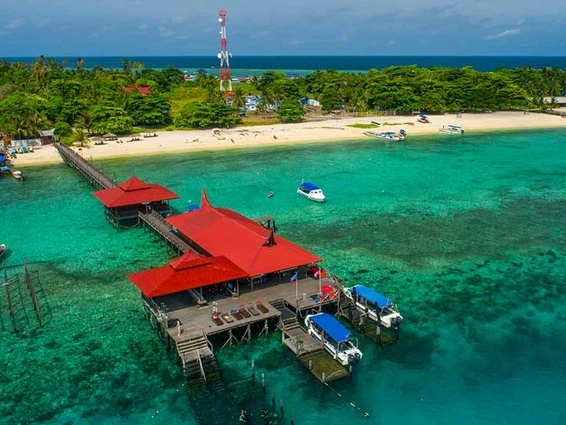
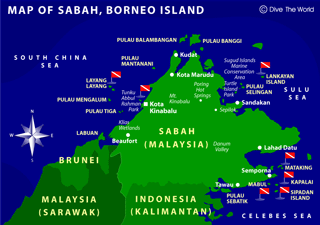
The little island off the east coast of Borneo is the number one reason why scuba divers come to Malaysia. Formed over thousands of years by living coral growing on top of an extinct volcano, it lies in one of the richest marine habitats in the world.
Deep water currents well up against the walls of this world famous oceanic island bringing in the nutrients which support an incredible ecosystem where the sheer abundance of sea life can be astounding. Its high numbers of turtles, grey and whitetip reef sharks, and large schools of bumphead parrotfish, barracuda and jacks are famous to divers the world over. There are a number of very well known Sipadan dives sites. First among them is Barracuda Point, a site that lies just beside the famous steep drop off. While this is a site where the likes of a mega school of jacks, turtles and sharks are commonly sighted, it is the likelihood of a swirling tornado of barracuda that gives this site its name and makes it the centrepiece of Sipadan diving. South Point is another favourite site and can be where some of the more rare shark species are seen. As this site allows you to go deeper to where the wall levels out, you might spot a hammerhead or even a thresher shark here. South Point also promises big schools of fish, including the famed bumphead wrasses who come marauding past, crunching the coral to fine sand.
One of the less touted wonders of Sipadan is that divers can enjoy fantastic shallow coral gardens. Here sunlight dances over delicate acropora corals while innumerable little brightly coloured damsels and fairy basslets dance this way and that. A site such as Turtle Patch is a great place to witness these shallows. Although the name of the site references the large numbers of turtles that are seen here resting on sandy passages or feeding on sponges, the later part of the dive is spent in the shallows. Look out for anemonefish protecting the swaying fingers of their hosts, delicate leaffish sitting motionless of the reef as well as coral crabs, cuttlefish, lionfish and more. The more days of diving you spend at Sipadan, the more you will discover some of the less-visited sites. While some of the sites see daily action from guests of various dive operators, others are seldom visited. Less frequently dived sites include Hanging Gardens, Midreef and Staghorn Crest.
> [More details:
Sipadan]
Mabul and Kapalai
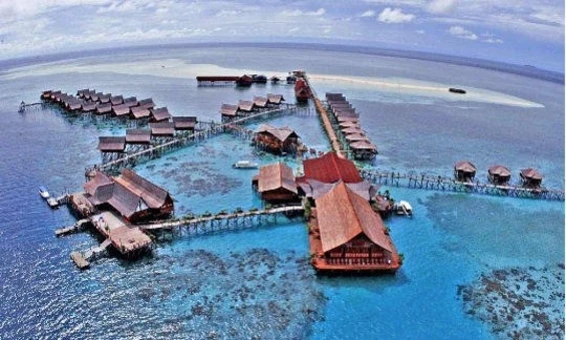
A diving vacation to Sipadan often means also diving the nearby Mabul island and the sandbar resort of Kapalai. The marine life there could not be more of a contrast to the larger creatures living around Sipadan. Diving over the shallows reefs and sandy flats your eye will be drawn to an array of crazy critters from ribbon eels to frogfish, seahorses to mandarinfish.
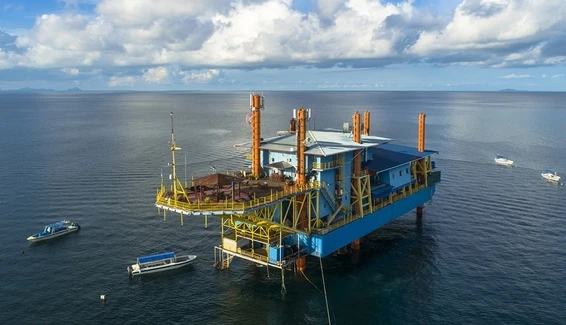
What a great combination it is to add the macro wonders of Mabul and Kapalai to the big stuff of Sipadan! Diving in at its best. A site typical of the diving in Mabul is Froggy Lair where potential encounters include frogfish, innumerable nudibranchs, ghost pipefish and even the elusive flamboyant cuttlefish. Lobster Wall is a gently sloping reef where you can spot peacock mantis shrimps, cuttlefish, clownfish and turtles, plus lobsters lurking in the main wall of the reef. Also worthy of special mention is the dive below the Seaventures Dive Rig. You can explore the rubble and junk that lies beneath this converted oil rig just off the coast of Mabul... a most unlikely critter wonderland!
> [More details:
Mabul and
Kapalai]
Si Amil
Si Amil is the forgotten island of Sabah's east coast, although some of the resort on Mabul have started to include it in their diving schedules. Sitting roughly 80 kilometres south-east of Semporna, this tiny, uninhabited speck of rock and sand receives fewer visitors in a year than Sipadan receives in a single morning. There is no resort. No jetty. No shop. What Si Amil offers is a rare commodity in modern Malaysia diving: genuine solitude and reefs that see a boat perhaps once a week, sometimes less. The island is part of the larger Darvel Bay area, a deep, sheltered bay ringed by volcanic islands and fringing reefs that have escaped the pressure of the Sipadan permit system.
The diving here revolves around 2 main site types: the walls that drop from Si Amil's southern edge, and the pinnacles scattered through the bay's deeper channels. The wall on the island's seaward side plunges from 5 metres to well beyond recreational limits. In the 15-to-25-metre band, the hard coral cover is exceptional: massive porites bommies, staghorn thickets, and table corals the size of dining tables. Turtles are common, resting under ledges or grazing on the reef top. Grey reef sharks patrol the wall's edge, and schools of barracuda and jacks hold station in the mild current. What makes Si Amil special, however, is what you do not see: other scuba divers. You will likely have the entire wall to your group.
The bay's inner pinnacles offer a different flavour. These submerged seamounts rise from 40 metres to within 12 metres of the surface, their tops covered in soft corals, sea fans, and crinoids. Currents can be moderate, but the pinnacles are small enough that you can hide on the lee side and watch the water rush past. Here, you have a genuine chance of encountering schooling hammerhead sharks, not guaranteed, but regular enough that local operators include Si Amil on multi-day trips specifically for this reason. Dogtooth tuna blast through the blue, and if you hover at the pinnacle's edge, eagle rays often glide past in small groups.
Diving in Malaysia at Si Amil is not for everyone. The journey from Semporna takes 2 hours by fast boat, or longer if the sea kicks up. Visibility varies (15 metres on a good day, less after rain). And the sites are deep; most of the action happens between 20 and 30 metres, which limits bottom time. But for the experienced diver who has ticked Sipadan off the list and wants something wilder, quieter, and less predictable, Si Amil delivers. You will come back with a logbook full of entries that most divers have never heard of ... and that is exactly the point.
Lankayan
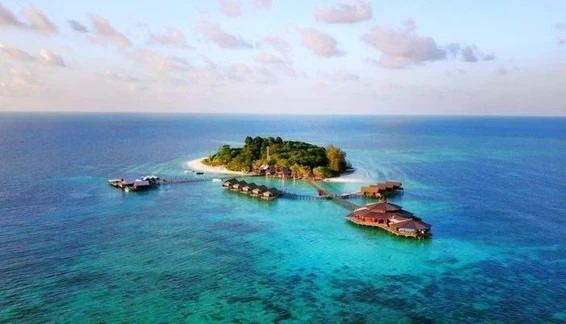
Lankayan Island is a frontier Malaysian diving destination in the Sulu Sea. It is rich in biodiversity and boasts a wide range of marine life. Large healthy corals dominate the pristine reefs and an abundance of colourful schooling fish can be seen on every dive. There are also several interesting wrecks. The macro highlights include frogfish and ghostpipefish as well as numerous nudibranchs. Larger species such as blacktip reef sharks, marble rays, bamboo sharks and leopard sharks are not uncommon sights. At the right time of year you might even spot a migrating whale shark cruising past.
Lankayan is a very popular choice for divers who are also visiting the land attractions of Borneo including Sepilok Orangutan Nature Resort and the Kinabatangan River. Among the best loved sites of Lankayan is Jawfish Lair named after one of Lankayan's most iconic creatures. Here you can spot jawfish in their sandy burrows, sometimes with their mouths crammed with eggs... an amazing photographic subject. There are also a few different, and easy wrecks to dive here. These include Mosquito Wreck, Jetty Wreck and Lankayan Wreck. On sites like these creatures you might spot can include, frogfish, batfish, stingrays, and cardinals plus maybe even manta rays and barracuda.
> [More details:
Lankayan]
Kota Kinabalu
Kota Kinabalu, the capital of Sabah, is rarely the first destination that comes to mind for serious divers. That is fair. The city itself is a gateway to Mount Kinabalu, orangutan sanctuaries, and the markets of Gaya Street. But for those already in Sabah who need a diving fix without travelling to Sipadan or Lankayan, the Tunku Abdul Rahman Marine Park sits just 15 minutes offshore. 5 islands - Gaya, Sapi, Manukan, Mamutik, and Sulug - form the park, and the diving here is best described as honest and convenient, and has great biodiversity.
What you will find are fringing reefs in 5 to 20 metres, with decent hard coral cover and a surprising amount of fish life given the park's proximity to the city. Visibility averages 5 to 12 metres, sometimes better on a rising tide, often worse after heavy rain. Do not expect the big pelagics of Sipadan. Do expect turtles on almost every dive, particularly green and hawksbill resting under ledges or grazing on seagrass. Blue-spotted stingrays bury themselves in sandy patches between the coral bommies. Moray eels peer from crevices, and cuttlefish hunt across the rubble zones. Malaysia diving in the Tunku Abdul Rahman Marine Park is not about adrenaline. It is about convenience, relaxation, and the quiet pleasure of a reef that thrives despite being a 10-minute boat ride from a capital city.
The best sites cluster around Sapi and Mamutik islands. Sapi's House Reef slopes gently from 3 metres to 18 metres, with table corals, porites bommies, and schools of yellowtail fusilier. Look for the resident giant moray near the eastern point – it has been there for years and tolerates close approaches. Mamutik's Drop Off is not a true wall but a steep slope that maxes out at 22 metres, where whitetip reef sharks occasionally rest during the day. Night dives at Sapi are a genuine highlight: octopus emerge from their dens, hermit crabs march across the sand, and lionfish hunt with their pectoral fins fanned wide. For macro enthusiasts, the artificial reef structures off Manukan attract frogfish, ghost pipefish, and several species of nudibranch.
Diving in Malaysia often overlooks Kota Kinabalu in favour of more glamorous neighbours, but for a shore-based diver with limited time, the marine park delivers solid, reliable diving. Combine 2 morning dives with an afternoon exploring the islands' beaches or hiking Gaya's jungle trails, and you have a very pleasant day in the water without the logistical drag of a longer expedition. Just bring a 3 mm wetsuit, manage your expectations on visibility, and enjoy the turtles. They are everywhere.
Layang Layang
**[Currently closed].** Sipadan Island is the first word on everyone's lips when discussing diving in Malaysia and it truly is one of the finest dive spots on the planet, but there is much more, such as Layang Layang - a little speck of an atoll off the north coast of Sabah which is fringed by some of the best coral fields you are likely to see. However, it is for the huge schools of scalloped hammerhead sharks that patrol around the island that Laying Layang has developed the reputation as a 'must see' diving destination of Malaysia.
The season for Layang Layang is short, namely March to October. Outside of this time the sea conditions are not conducive to diving. Also it is worth noting that there is only 1 dive resort here, so these sites are visited by only a small number of lucky divers each year. While the hammerheads are the main attraction, special mention must go to the extraordinary coral gardens that surround this remote little island. Being a little speck of land in the vastness of the South China Sea, pollution is minimal and there is no river run off reducing visibility. As a result there is an excellent diversity of coral and variety of fish.
Dogtooth Lair and D'Wall are among the best dives sites where the hammerhead sharks may appear. However, both of these sites also offer many other attractions: speckled butterflyfish, blue anthias, bluefin trevally, pickhandle barracuda, emperor angelfish and many colours of parrotfish. Benthic life includes gorgonian fans, huge barrel sponges and black coral bushes.
> [More details:
Layang Layang]
Malay Peninsula
Tioman Island remains the crown jewel of Peninsular Malaysia's east coast. Unlike the volcanic origins of Sipadan, Tioman is a volcanic island draped in jungle, with granite boulders tumbling into clear water. The diving here suits a range of experience levels, from sheltered bays for beginners to current-swept pinnacles for the adventurous. Malaysia diving on the peninsula lacks the big fish spectacle of Borneo, but what Tioman offers is accessibility, variety, and surprisingly healthy reefs given its proximity to the mainland.
The signature site is Chebeh, a cluster of rocky pinnacles rising from 40 metres to within 5 metres of the surface. Strong currents funnel between the rocks, drawing in schools of chevron barracuda, bigeye trevally, and occasional blacktip reef sharks. The gorgonian fans here are among the largest in the peninsula, some stand taller than a diver, their purple and yellow branches swaying in the flow. For macro lovers, the soft corals and sponges on Chebeh's sheltered faces hide pygmy seahorses, leaf scorpionfish, and ornate ghost pipefish.
Renggis Island, just off Tioman's main village, offers a gentler experience. This small reef slopes from 3 metres to 18 metres, carpeted in hard corals that have recovered well from past bleaching events. You will find cuttlefish hunting over the sand patches, blue-spotted stingrays half-buried, and, if you look closely, the occasional flamboyant cuttlefish at night. Renggis is also reliable for bumphead parrotfish, which cruise through in small herds of ten to 20 individuals.
2 wrecks sit within easy reach of Tioman. The Kuantan Wreck, a deliberately sunk fishing vessel in 28 metres, has become an artificial reef coated in cup corals and sponges. Schools of snapper and barracuda hover above the wheelhouse, while marble rays rest on the sandy bottom nearby. The wreck's interior is partially open, allowing experienced divers to peer into holds where groupers and moray eels hide. The current here can be unpredictable, so check conditions with your guide before dropping in. The smaller Sawadee Wreck lies in 22 metres, broken into 2 sections. This one is more photogenic: the bow still rises intact, and the hull is draped in colourful soft corals. Frogfish are common here, often tucked into the wreck's crevices, and you will spot batfish hovering near the mast. Diving in Malaysia often focuses on the east coast islands, but the Tioman wrecks offer a satisfying blend of history, marine growth, and resident life.
A few hours' drive north of Tioman, Tenggol Island sees fewer visitors and rewards patience. The island's west coast features walls that drop to 40 metres, where whitetip reef sharks rest on ledges and eagle rays glide past. Tenggol's signature encounter is the elusive thresher shark, seen occasionally at dawn on the deeper pinnacles, though never guaranteed. The shallows hold garden eels, peacock mantis shrimps, and some of the peninsula's healthiest table coral formations.
Tokong Timur, a rocky islet off Tenggol's northern tip, is the site most divers hope to visit. Currents sweep around the rock, creating nutrient-rich upwellings. Schools of jacks and barracuda hold station in the flow, and if you are lucky, a passing whale shark between March and May. The rock itself is covered in crinoids, featherstars, and black coral bushes. This is advanced diving; currents can be strong, and the boat moors to the rock with no sandy bottom for a gentle exit.
Further north, the Perhentian Islands and Redang offer shallow, beginner-friendly diving with good coral cover and abundant reef fish. These sites lack the current-driven action of Tioman or Tenggol, but they excel as training grounds or relaxed Malaysia diving holiday. Tokong Laut, a pinnacle off Perhentian Besar, is the exception, a rocky spire in 25 metres where you will find schooling jacks, barracuda, and the occasional bamboo shark resting in a crevice. Redang's Tanjung Lang is a gentle drift along a coral slope, passing massive porites bommies and resident turtles.
Langkawi sits on the peninsula's north-west coast, in the Andaman Sea. It is not a destination that competes with Sipadan or Tioman for big fish or pristine reefs. What Langkawi offers is convenience, variety, and a genuine surprise factor for divers who adjust their expectations. The island chain receives less diving traffic than the east coast, which means you often share dive sites with only your own group.
Pulau Payar Marine Park, a 45-minute boat ride south of Langkawi's main island, is the region's core diving area. The park comprises 4 small islands, Payar, Kaca, Lembu, and Segantang, surrounded by fringing reefs and sandy channels. The diving is shallow, mostly 5 to 18 metres, with mild currents. Do not come here expecting crystal clarity. Come here for blacktip reef sharks, which patrol the reefs in numbers. You will see them on almost every dive, often cruising just above the coral or resting on sandy patches. The site known as Coral Garden on Pulau Payar's western side features large porites corals, some several metres across, sheltering schools of snapper and fusilier. Moray eels peer from under the coral heads, and blue-spotted stingrays hunt across the sand. At Grouper Point, you will find what the name suggests, several large groupers residing in the same bommie, their mouths gaping as cleaner shrimp pick parasites. The highlight for many divers is the Langkawi Wreck, a deliberately sunk patrol boat in 18 metres. The wreck has been down long enough to develop a solid coating of sponges and soft corals. Batfish hover around the mast, and scorpionfish perch on the railing, almost invisible against the rust.
Malaysia diving in Langkawi also includes Pulau Kaca, a small rocky island where the reef slopes to 20 metres. Here, you have a reasonable chance of seeing bamboo sharks resting under ledges, and if the tide brings warmer water, cuttlefish hunting in pairs. Night dives at Pulau Payar are underrated. Torch beams reveal sleeping parrotfish, hermit crabs crossing the sand, and lionfish fanning their pectoral fins as they hunt along the reef edge.
The practical reality: Langkawi suits divers who are already visiting the island for its surface attractions and want to add a couple of easy dives without travelling far. For experienced divers seeking the full richness of diving in Malaysia, Borneo remains a better bet.