Notes: Child policy: Children aged 10 and above are accepted onboard Philippines Explorer 2 diving charters. Children younger than that are assessed on a case-by-case basis. Child rates are the same as for adults.
Dive experience: All open water divers are accepted on Philippines Explorer 2 liveaboard charters, with the exception of Tubbataha. For Tubbataha, all divers must be minimum advanced open water with 30 prior logged dives.
Cruise price per person includes: Cabin accommodation with air-conditioning, breakfast, lunch, dinner, snacks, water, soft drinks and hot drinks, dives (as detailed in the trips above), experienced English-speaking divemaster, tanks, weights and weightbelts, sales tax.
Cruise price per person excludes (mandatory, unless customer provides own): Scuba equipment (USD 200 per week), dive computer (USD 50 per week), port/park fees (from S$ 150 per trip), dive insurance. Fuel surcharge (USD 30 per night). Unless otherwise stated, all the listed items need to be paid on arrival (cash - USD or PHP, or credit card (+4.5%).
Optional extras: Nitrox fills for enriched air certified divers (USD 120 per week), torch, 15 liter tanks (USD 30 per week), local airport and hotel transfers, alcoholic drinks, laundry. Unless otherwise stated, all the listed items need to be paid on arrival. Note: prices of items purchased onboard are subject to change.
How to get there: The Philippines Explorer 2 operates between Dauin, Donsol, and Maya:
- Dauin: Located just outside Dumaguete City (airport: DGT).
- Donsol: Reachable in 1.5 hours by road from Bicol International Airport (DRP) in Legazpi.
- Maya New Roro Port: Situated at the northern tip of Cebu Island; the nearest airport is Mactan-Cebu (CEB), a 3 to 5 hour drive away.
For further details, including airline options, please see our Philippines travel information section.
Boarding generally takes place at the embarkation port at 2 pm. Disembarkation is by 10 am at the latest on the final day. The last dive of each trip is typically offered in the late morning or early afternoon on the day before disembarkation. Philippines Explorer 2 follows the standard no-flying-after-diving rule of 18 hours before departure, though 24 hours is recommended if multiple deep dives were completed during the charter.
Non-diver rate: No discount. Private charter only.
Single supplement (if you do not want to share accommodation): There are 2 dedicated single guest cabins on Philippines Explorer 2, but the liveaboard is available on private charter basis only.
Dive clubs and group discounts: Not applicable.
Whole boat charter rate (per night): USD 3 300. Max. 6 guests.
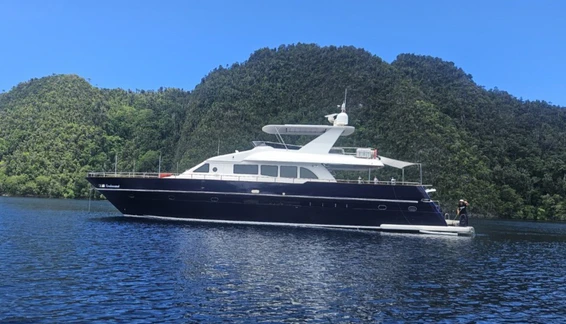
The Philippines Explorer 2 liveaboard occupies a distinct place among Visayas diving vessels. This 23.85-metre yacht was built in 2008 and rebuilt in 2022, accommodating just 6 guests in 4 en-suite cabins with a crew of 5. It operates as a private charter, meaning your group has the entire boat to yourselves. For families, close friends, or dive clubs seeking exclusivity without compromising on dive access, the Philippines Explorer 2 fits perfectly.
The vessel's cabin configuration suits varied group dynamics. A Premium Suite offers a queen-size bed, sofa seating, rain shower, and panoramic ocean-view window. The Deluxe Suite provides a double bed with windows on both sides and a skylight. 2 Comfort cabins, each with a single bed, work well for solo travellers within a group. Every cabin has a private bathroom, individually controlled air conditioning and natural light. For a good night's rest, the Seakeeper gyro-stabiliser and silent generators reduce motion and noise, which matters on longer crossings.
On the water, the Philippines Explorer 2 liveaboard is equipped for recreational diving with air and nitrox. The inventory includes 12-litre, as well as 15-litre cylinders, and a Nuvair membrane nitrox system. A 5-metre tender handles diver transport, allowing the glass-reinforced plastic (GRP) mothership to remain at anchor. For photographers, there is a dedicated camera rinse tank, air gun, 220V universal sockets and voltage-stabilised surge protection; although the vessel's size means there is no fixed camera bench, multiple tables are available for equipment setup. Satellite (Starlink) internet and laundry services are also available on board.
Philippines Explorer 2 itineraries connect Malapascua, Dauin, Donsol, and Southern Leyte across 7-day routes. The daily rhythm caps diving at 3 dives, often 2, leaving room for island visits, snorkelling, and unhurried meals. Routes range from reef and macro sites to current-influenced shoals. Monad and Kimud Shoals are known for thresher shark activity; Gato Island has a tunnel environment; Manta Bowl and Ticao Pass can have strong currents. Wildlife encounters are possibilities shaped by conditions, not guaranteed outcomes.
Life on board is designed around relaxed, uncrowded spaces. The air-conditioned saloon offers an indoor lounge with books, board games and a 42" TV with Dolby surround, along with a self-service coffee machine, a selection of teas, filtered drinking water, an ice maker and 24-hour snacks. Indoor dining is reserved for poor weather, since most meals are taken at the aft alfresco dining area, which also serves as the setting for dive briefings and social evenings. Forward, the bow sun lounge provides a shaded spot that is ideal for sunsets and quiet time at anchor, while the flybridge offers a secondary helm and a panoramic relaxation area with a sound system - a favourite spot both underway and at sunset. Non-diving equipment includes Seabobs, fliteboards, towables, and fishing gear, giving surface intervals more variety.
For divers considering the Philippines Explorer 2, the appeal lies in its scale and flexibility. A 6-guest capacity means guide attention is spread across fewer people, and the private charter format allows groups to shape the week around their own priorities. If your Visayas diving plans involve a small group and a preference for a quieter, more personal liveaboard experience, this yacht warrants a closer look.
Malapascua & Masbate (private charter only) (7 Days / 6 Nights - 15 Dives)
Trip highlights: whale sharks, hammerhead sharks, shark action, dolphins, manta rays, turtles, great macro life/ marine diversity
Diving environment: advanced divers, beginner divers
Dive sites and activities: Malapascua: Kimud Shoal, Chocolate Island, Gato; Maripipi, Sambawan, Tatus, Burubangkaso, Ticao, San Miguel Island. Catandayagan Falls, beach visits, optional whale shark interaction in Donsol.
Day 1
Check-in for the Philippines Explorer 2 liveaboard opens at Maya Port. Once the crew have shown you to your cabin and talked the group through the vessel's safety procedures, the boat slips its lines. A check dive in the late afternoon gives everyone a chance to confirm their kit and weighting before the real diving begins. The night is spent at anchor off Malapascua, positioned for what comes at first light.
Core Days
Few dive sites ask more of your alarm clock than Kimud Shoal, and few repay it so well. The boat leaves in darkness so that scuba divers are in position as the sun reaches the water, the hour when thresher sharks move up from the depths to the cleaning stations. Restraint and steady buoyancy make the difference here. By contrast, Chocolate Island later that morning shifts the emphasis to colour and detail: coral formations, small critters, and plenty of material for a macro lens.
Gato Island, a protected sanctuary off Cebu's northern coast, delivers variety in a compact area. Coral-draped boulders, wall sections, rubble slopes, and a natural tunnel running beneath the island all sit within a short distance of one another. Reef fish and macro life keep the dives busy, and sharks are a possibility rather than a promise.
Heading north with the Philippines Explorer 2, the Maripipi Archipelago and the reefs off Sambawan mark a change in the landscape. Currents sweeping through this stretch carry nutrients, and with them schooling fish and the occasional larger visitor. The island scenery above water is reason enough to stay on deck between dives.
Ticao Island raises the intensity. The water around Tatus Island is known for current, productive reef, and biodiversity, with coral gardens giving way to pelagic action as conditions allow. The region feels different too: volcanic coastlines, small fishing communities, and remote anchorages. Catandayagan Falls is worth watching for, freshwater dropping straight from the cliffs into the sea.
The final diving day centres on Ticao Pass, home to the Manta Bowl and the surrounding reefs. Manta rays are regularly seen at cleaning stations here, and schools of jacks, barracuda, and tuna are frequent visitors. The boat then moves on to San Miguel Island, where volcanic scenery and a quiet anchorage set up the last night at sea.
Day 7
The voyage ends at Donsol, known for its seasonal whale shark encounters. After breakfast, guests can join local interaction boats to search Donsol Bay for whale sharks, with encounters managed under established ecotourism guidelines. The excursion concludes the trip, and disembarkation follows.
Malapascua, Cebu & Dauin (private charter only) (7 Days / 6 Nights - 15 Dives)
Trip highlights: whale sharks, hammerhead sharks, shark action, dolphins, manta rays, turtles, great macro life/ marine diversity
Diving environment: advanced divers, beginner divers
Dive sites and activities: Malapascua: Kimud Shoal, Chocolate Island, Gato; Sipaway Island, Cebu: Pescador Island, Moalboal, Oslob, Sumilon; Dauin
Day 1
Boarding for the Philippines Explorer 2 liveaboard takes place at Maya Port. The crew welcome you aboard, help you settle into your cabin, and run through the vessel orientation and safety briefing before the boat heads south. A late-afternoon check dive lets you get your gear and weighting dialled in, and the evening is spent at anchor near Malapascua, ready for an early start.
Core Days
The first morning is timed to the light. Departure is before sunrise for Kimud Shoal, where thresher sharks rise from deeper water to visit the cleaning stations as dawn breaks. It is a quietly extraordinary sight, and one that rewards a calm approach and good buoyancy. Later the same day, Chocolate Island offers a change of scale entirely: colourful coral, macro subjects, and a pace that suits photographers.
Gato Island follows, a protected sanctuary off northern Cebu with swim-throughs, walls, coral-covered boulders, and sandy slopes. The Tunnel, a natural passage running beneath the island, is the standout feature, though the reef life is what keeps divers returning. Reef fish, macro subjects, and the occasional shark make this one of the region's most varied sites.
Sipaway Island slows things down on the Philippines Explorer 2. The reefs here are pleasant and colourful rather than dramatic, and the island itself offers a glimpse of everyday life away from the tourist trail. There is time to walk ashore between dives or simply stay aboard as the boat continues south.
Pescador Island and Moalboal bring the week's most recognisable set pieces. Pescador's steep walls and healthy coral are punctuated by the Cathedral, a cavern lit from an opening above. Then comes Moalboal's sardine run, where enormous schools shift and reform close to shore, visible to divers and snorkellers alike.
The final day of diving starts early at Oslob, where whale sharks gather in shallow water and guests can choose to dive or snorkel. Sumilon Island follows, with clear water and healthy reefs providing a sharp change of mood. After lunch, the boat crosses to Dauin, where the last dives focus on the region's celebrated muck sites: frogfish, nudibranchs, seahorses, and a catalogue of unusual critters that reward a slow, careful approach.
Day 7
After breakfast, guests disembark at Dauin. Those extending their stay can arrange further diving or land-based exploration, and the crew are on hand to help with onward travel and accommodation recommendations.
Malapascua, Cebu, Bohol & Dumaguete (Photo Workshop) (11 Days / 10 Nights - 27 Dives)
Trip highlights: whale sharks, hammerhead sharks, shark action, dolphins, manta rays, turtles, great macro life/ marine diversity, onboard experts on photography
Diving environment: advanced divers, beginner divers
Dive sites and activities: Dumaguete: Dauin, Zamboanguita, Apo Island; Bohol: Pamilacan Island, Panglao, Cabilao; Cebu: Capitancillo, Kalanggaman Island, Oslob, Sumilon, Pescador Island, Moalboal; Malapascua: Kimud Shoal, Chocolate Island, Gato Island
Day 1
Board the Philippines Explorer 2 liveaboard in Dauin for this Underwater Photography Expedition with Gerald Rambert:. After a welcome drink, cabin orientation, and safety briefing, there is time to set up dive equipment, organise camera systems, and get a feel for the vessel. Dinner onboard gives the group a first chance to meet fellow photographers and talk through the days ahead.
Core Days
The expedition draws together macro, wide-angle, behaviour, and big-animal photography across 11 days, with Gerald Rambert on hand throughout to offer guidance and feedback. It opens where macro photographers want it to: the volcanic black-sand slopes of Dauin and neighbouring Zamboanguita. Frogfish, seahorses, nudibranchs, octopus, and shrimp are the quarry here, and with up to 4 dives across the day there is time to work a subject properly rather than rush past it. Apo Island follows, shifting the emphasis to wide-angle. Healthy coral gardens, reef walls, schooling fish, and frequent turtle encounters offer a completely different set of compositions, and an optional night dive back at Dauin adds a further dimension for those who want it.
Bohol brings variety. Pamilacan Island's steep walls and nutrient-rich currents draw jacks and barracuda, with the kind of dramatic underwater scenery that suits a wide lens. Panglao's BBC and Gak-ang sites combine colourful reef with macro subjects, giving photographers room to switch between close-focus and wide work. Cabilao then offers clear water, healthy coral, and dramatic walls, with schools of jacks, turtles, and the occasional pelagic visitor appearing across 2 or 3 dives.
Cebu's sites add range. Capitancillo's remote reef system is known for clear water and colourful coral, while Kalanggaman Island delivers the kind of white-sand, turquoise-water scenery that works above the surface as well as below. A beach barbecue under the stars rounds off the day. The following morning, an early start brings the group to Kimud Shoal, one of the Philippines' most reliable locations for thresher sharks, before Chocolate Island offers a gentler contrast of sloping reef, coral, and macro life. A second visit to Kimud may be possible before Gato Island, with its Tunnel, limestone formations, reef walls, and resident whitetip reef sharks.
Pescador Island and Moalboal close the diving. Pescador's steep walls, coral growth, and the Cathedral cavern suit wide-angle work, while Moalboal's sardine run offers one of the most spectacular wildlife photography opportunities in the country. The final morning brings an encounter with the whale sharks of Oslob, followed by a last dive at Sumilon Island among healthy reefs and clear water.
Day 11
After breakfast, guests disembark in Dauin.
Malapascua, Cebu, Dumaguete & Masbate (14 Days / 13 Nights - 36 Dives)
Trip highlights: whale sharks, hammerhead sharks, shark action, dolphins, manta rays, turtles, great macro life/ marine diversity
Diving environment: advanced divers, beginner divers
Dive sites and activities: Donsol, San Miguel Island, Ticao, Lapus, Burubangkaso Islet, Tatus, Maripipi, Sambawan, Malapascua: Gato Island, Kimud Shoal, Kalanggaman, Chocolate Island; Sipaway Island, Cebu: Pescador Island, Moalboal, Oslob, Sumilon; Dumaguete: Zamboanguita, Apo Island. Visit Catandayagan Falls, San Vicente Islands, beaches, nature walks.
Day 1
Embarkation for the Philippines Explorer 2 liveaboard takes place in Donsol, with guests welcomed aboard and shown to their cabins. A welcome drink and safety briefing follow, and if time allows, a gentle check dive in the afternoon gives everyone a chance to familiarise themselves with their gear. The evening unfolds at an unhurried pace, with introductions made over dinner as the group settles in for the voyage ahead.
Core Days
This 14-day route draws together whale sharks, manta rays, thresher sharks, remote islands, and some of the Philippines' healthiest reef systems, with time built in for beach barbecues, waterfall visits, and exploration ashore. It opens in Donsol Bay, where local interaction boats are used to search for whale sharks under strict ecotourism guidelines. It is a measured, respectful introduction to one of the Philippines' most recognisable species. From there, the boat moves south to San Miguel Island for an easy afternoon dive along volcanic rock formations and colourful coral, before the focus shifts to Ticao Pass. Manta Bowl and the surrounding sites are the draw here, with nutrient-rich currents bringing in manta rays, jacks, tuna, and barracuda. Lapus, east of San Miguel, offers a contrasting reef dive to close the day.
The Philippines Explorer 2 continues through the little-visited islands between Luzon and the Visayas. 2 dives at Tatus Island reveal healthy reef and abundant marine life, while the San Vicente Island Group, with its Pink Beach, Pangpang Beach, and Mahaba Beach, provides an afternoon of swimming, paddleboarding, and exploration ashore. The Maripipi Archipelago follows, with sites such as Pungtod Pinnacle, Buga Rock, and Toblerone offering current-swept topography and the chance of larger marine life. Sambawan Island, with its green hills and sheltered beaches, is the setting for a quieter evening.
Northern Cebu brings Gato Island, a protected sanctuary known for limestone formations, caverns, and the Tunnel, a swim-through often frequented by resting whitetip reef sharks. 2 early morning dives at Kimud Shoal follow, timed for the thresher sharks that rise to the cleaning stations at first light. Kalanggaman Island offers a third dive and an afternoon of white sandbars and shallow lagoons, while a second visit to Kimud the next morning is followed by Chocolate Island, where sloping reefs and coral gardens suit macro enthusiasts.
The pace eases at Sipaway Island, one of the Visayas' lesser-known islands, where a relaxed morning dive gives way to paddleboarding and beach walks. Cebu's western coastline then delivers Pescador Island's dramatic walls and the Cathedral, followed by Moalboal's sardine run, where millions of fish move in shifting formations close to shore. An optional whale shark encounter at Oslob and a dive at Sumilon Island precede the crossing to Negros Oriental, with the final day of diving reserved for Apo Island. 3 dives explore its coral gardens, reef walls, and resident green sea turtles, a fitting close to a route that has moved through an unusually wide range of marine environments.
Day 14
After breakfast, guests disembark in Dauin.
[Information is best estimate in ideal circumstances and subject to changes beyond our control. The itinerary is a guide only and may be adapted to best suit the weather, tides, currents, availability and other prevailing events. Price is for the cruise, not for an exact number of dives].
Meals on the Philippines Explorer 2 are taken in the main deck dining area - a bright, open space, so guests eat with natural daylight and open views rather than below deck. The galley produces a fusion of Asian and Western cuisine. Dietary requirements can be accommodated when requested at least 7 days before departure, and the kitchen treats these as a firm commitment rather than a courtesy note.
Breakfast offers fresh fruit, yoghurt, granola, oats, toast and eggs cooked to order as constants, with daily variations such as pancakes, bacon, or Asian options like rice soup and noodle soup. Lunch alternates between Western and Asian plates - chicken or tuna salad wraps with potato salad or fries, chicken or beef satay, fried rice, fried noodles, stir-fried mixed vegetables, or burgers. Dinner begins with soup of the day and fresh homemade bread, followed by mains such as spaghetti bolognese, lasagne, mixed Thai dishes (green curry, tom kha, rice and mixed vegetables), lamb shoulder with roast potatoes, or steak with fries and salad. Dessert is optional and typically a 'dessert of the day' - homemade vanilla, chocolate or strawberry ice cream, and occasionally banana splits.
Snacks are complimentary and available throughout the day, including cakes, cookies and savoury bites. The cook also prepares an afternoon snack - perhaps banana fritters, a special cake, muffins, fresh or fried spring rolls, or a snack platter. Specialist chocolate from a local supplier is sold on board; everything else is included. All meals and non-alcoholic beverages are part of the cruise - soft drinks, freshly ground coffee, teas and herbal infusions. Wine and a cocktail selection are available, along with a craft beer brewery on board. Beach BBQs are built into the itineraries at no extra charge.
Meal times flex with the itinerary. The Philippines Explorer 2 team plans diving around when other boats are elsewhere, so the schedule follows conditions and sites rather than a fixed clock. The rhythm will still feel familiar to experienced liveaboard travellers: an early light breakfast or hot drink before the first dive, a proper breakfast afterwards, a second dive before lunch, a third in the afternoon, and often a dusk or night dive depending on the route. Between dives there is time to eat, rest and sort camera gear, with the afternoon snack arriving before the next briefing. Dinner is a sit-down affair in the evening, followed by dessert and the chance to review the day's footage or simply watch the water.